Wondering how to show loyalty in your everyday life? Here's the short answer: show up consistently, keep your word even when it's inconvenient, and defend the people you care about when they're not in the room. Those three habits, done over time, are what loyalty actually looks like in practice.
Loyalty is the commitment to give strong support and care to someone or something over time — in families, friendships, workplaces, and the bond between people and their pets. In Spanish, this quality is called lealtad, and these 20 real-life examples of loyalty (ejemplos de lealtad) make that definition concrete. Once you see the pattern, you'll notice loyalty — or its absence — in ordinary moments every day.
Key Takeaways
Learning how to show loyalty starts with the people closest to you — family, friends, and pets. Loyalty helps people feel safe and supported.
When things get hard, loyal people do not leave you. They give you comfort and try to understand you. Showing loyalty during tough times makes your relationships stronger.
You show loyalty by doing kind things, talking honestly, and offering real care. These actions help people trust each other and feel close.
How to Show Loyalty in Everyday Life
Before diving into the examples, here are simple, actionable ways to show loyalty every day:
- Be present — Show up when people need you, not just when it is convenient. If a friend texts about a rough day, reply the same evening instead of letting it sit for three days.
- Keep your promises — Follow through on commitments, big and small. If you said you would help someone move on Saturday, do not cancel because a better plan came up.
- Defend people in their absence — Speak well of others when they are not in the room. If a colleague gets unfairly criticised in a meeting, say so — even if no one else does.
- Listen without judging — Give your full attention and empathy. Put the phone down. Let the person finish before you start solving.
- Stay during hard times — Loyalty is tested most when things get difficult. The friend who checks in a month after the crisis, when everyone else has moved on, is showing real loyalty.
- Be honest, even when it is uncomfortable — Tell a friend their plan has a flaw before they commit to it, not after. That honesty is a form of care.
- Celebrate others' success — Show loyalty by being genuinely happy when the people you care about win, even when things aren't going well for you.
- Remember the details — Ask about the job interview, the doctor's appointment, the difficult conversation they mentioned last week. It signals you were paying attention all along.
These principles apply whether you want to show loyalty to a friend, a family member, a partner, or a colleague. The 20 examples below bring each one to life.
Acts of Loyalty: Specific Behaviours That Build Trust
Acts of loyalty are not grand gestures. They're specific, repeatable behaviours — the kind you can point to and say "that was loyalty." Being loyal shows up in what you do, not what you feel.
Showing up without being asked. When a friend loses a job, a sibling goes through a breakup, or a colleague faces a rough project, the loyal response is not "let me know if you need anything." It's to show up. This one act of loyalty is both the simplest and the rarest.
Keeping your word on small things. Most people keep the big promises. People who are genuinely loyal keep the small ones too — the coffee they said they'd grab, the feedback they promised to give, the introduction they mentioned in passing six weeks ago.
Not talking about people behind their backs. Saying something kind — or at least nothing harmful — about someone who is not in the room is a quiet act of loyalty that builds enormous trust over time. It signals to everyone present that you will treat them the same way when they leave.
Staying when it's inconvenient. The clearest acts of loyalty happen when leaving would be easy. A colleague who sticks with a struggling project. A friend who keeps calling a month after the crisis, when everyone else has moved on. A partner who stays patient through a difficult period.
Being honest instead of comfortable. Telling someone the truth they need to hear — rather than what they want to hear — is an act of loyalty, not disloyalty. It's harder than agreeing, but it protects the person. A friend who only validates you is not being loyal; they're being comfortable.
The best examples of loyalty are the ones that happen without an audience. Nobody sees them, there's no reward, and leaving would have been easy. But the person stayed, spoke up, or followed through anyway. Each example in the list below is one of those moments.
The 20 Real-Life Examples at a Glance
Here are all 20 examples in one place — each one is a specific, recognisable moment that shows what loyalty actually looks like:
- A parent who drops everything to help their child work through a problem, no questions asked.
- A sibling who takes your side in a family disagreement without you having to ask.
- A friend who keeps showing up during your rough patches, week after week.
- A friend who keeps a secret for years without needing to be reminded.
- A partner who defends you to their family when you're not in the room.
- A partner who stays present and caring through illness, not just the easy times.
- A dog who greets you the same enthusiastic way whether you've been gone ten minutes or ten hours.
- A pet who ignores a stranger's attention and waits by the door for the person they know.
- A colleague who covers your shift when you have an emergency, without keeping score.
- An employee who takes responsibility for a team mistake rather than pointing fingers.
- A mentor who advocates for your promotion when you're not in the room.
- Someone who stays calm and supportive during your worst crisis, even when they're stretched thin.
- A person who checks in on you weeks after everyone else has moved on from your difficult time.
- A neighbor who watches your home and never asks for anything in return.
- A community member who keeps volunteering even when the cause stops being fashionable.
- A regular customer who returns to the same local shop even when a bigger competitor opens across the street.
- A buyer who recommends a business to friends, unprompted, long after their purchase.
- A patient who stays with their doctor's practice because the staff remembers their name.
- A childhood friend who reconnects after a decade apart and picks up exactly where you left off.
- A team member who stays with a struggling team through a difficult season instead of jumping to a winner.
These are the 20 examples. The sections below go deeper into each relationship type and explain why these moments matter — and what you can do to build them.
Personal Loyalty
Family Loyalty
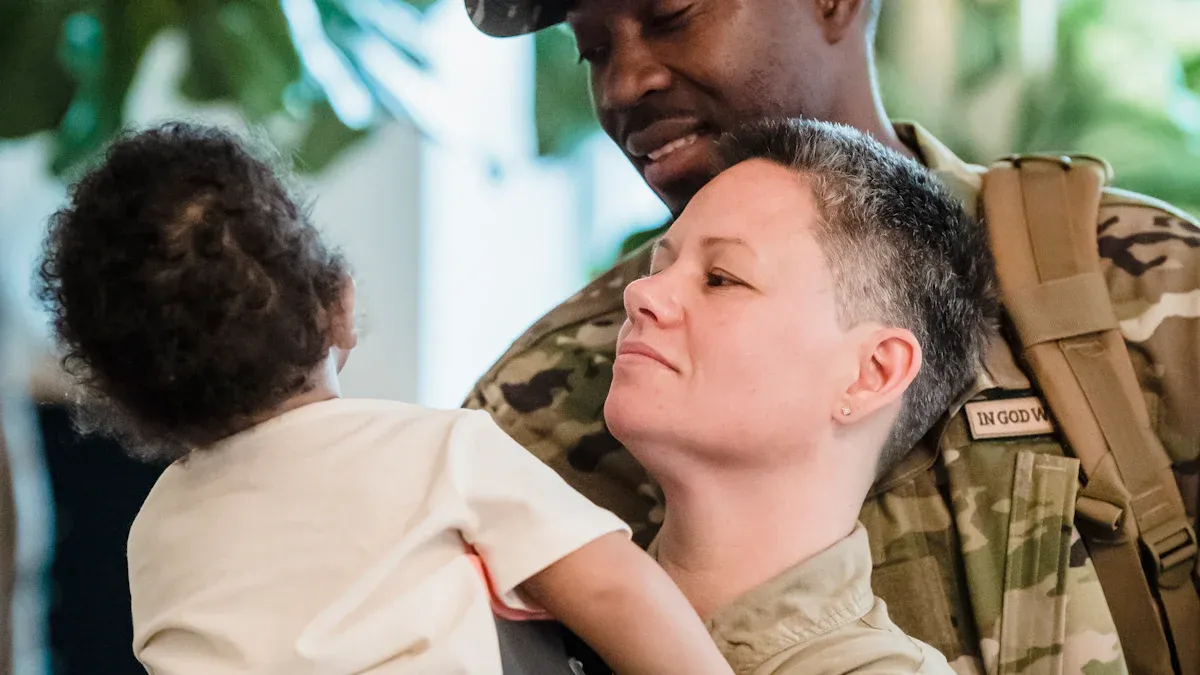
Loyalty is easy to spot in your family. Parents help you with homework. Siblings stand up for you at school. Families support each other when things get hard. They keep secrets safe. They put your needs before their own. These acts of loyalty make you feel loved and protected.
Here is how to show loyalty in a family:
Keeping secrets safe
Putting family first
Valuing family support
Supporting each other
Let’s see how loyalty looks in different relationships:
Support Level | Conflict Level | Companionship | Nurturance | Intimacy | |
|---|---|---|---|---|---|
Family | High | Moderate | High | Moderate | High |
Friendship | High | Moderate | High | Moderate | High |
Romantic | High | High | Very High | High | Very High |
Pet (Dog) | Higher than kin | Lower | High | High | Lower |
Family loyalty stands out because it mixes support, closeness, and friendship. These examples make your family feel safe.
Friendship Loyalty
Friendship loyalty means sticking with your friends. You help them with problems. You keep their secrets. Loyal friends stay together, even when things get tough. You can share your feelings and be yourself.
Here’s a table with signs of loyalty in friendships:
Description | |
|---|---|
Deep-rooted loyalty | Always standing by friends and showing commitment. |
Vulnerability | Sharing feelings helps build trust and connection. |
Emotional intelligence | Understanding feelings helps solve problems and show care. |
Authenticity | Being yourself makes friendships stronger and builds trust. |
Being loyal builds trust and creates good memories. Loyalty in friendships helps you feel accepted.
Tip: To build loyalty, listen to your friends and show you care. Small kind acts matter.
Romantic Loyalty
Romantic loyalty is special. You and your partner support each other’s dreams. You stick together when things get hard. You feel safe sharing thoughts and trust your partner. Loyal partners defend each other, respect boundaries, and stay committed.
Here are signs of romantic loyalty:
They defend you when you’re not there.
They are honest, even when it’s tough.
They don’t look for other options.
They stay when things get hard.
They help you reach your goals.
They respect boundaries and build trust.
Loyalty in romantic relationships helps you feel loved and safe. You know your partner will always be there.
Loyalty in Difficult Times
Loyalty is strongest during hard times. When you face trouble, loyal people stay with you. They stay calm and talk openly. They show care and understanding. You feel stronger when someone supports you.
How to show loyalty when times are tough:
Talking honestly builds trust.
Showing care makes loyalty stronger.
Sticking together makes relationships better.
Caring helps everyone feel good.
Honest talk builds trust and loyalty.
Loyalty during hard times gives you safety and support. You feel strong and close to others.
Description | |
|---|---|
Sense of Security | Loyalty makes you feel safe during tough times. |
Emotional Support | Loyal people comfort you and listen. |
Resilience | Loyalty helps you face problems with hope. |
Community Connection | Loyalty builds strong groups that help each other. |
To build loyalty in your group, talk clearly and show care. Loyalty helps everyone feel important.
Loyalty from Pets
Pets show loyalty in great ways. Your dog waits for you at the door. Pets comfort you when you feel sad. Loyalty comes from trust and good moments together. When you care for your pet, they show love and friendship.
Studies say pet loyalty helps your feelings. You feel happier and less worried with a strong bond. Spending time with pets helps you stay calm.
The bond between pets and owners affects feelings.
Owners who feel unsure with pets feel more sad and worried.
Feeling close to pets makes you feel better.
Time with pets helps you focus and feel calm.
Loyal pets show that loyalty isn’t just for people. Animals teach you about trust and friendship.
Note: Pets need care and attention to build loyalty. Spend time with your pet to grow your bond.
To find more loyalty, look at your family, friends, partners, and pets. Loyalty is everywhere and makes life better.
Loyalty in Community and Work

Workplace Loyalty
You see loyalty at work every day. Some people stay with their company for a long time. They care about their job and team. Loyal workers come early and help others. They feel proud of what they do. They stand up for their team. They take blame when things go wrong. Loyalty at work means you support your coworkers and the company.
Here is how to show loyalty at work:
They stay curious and look for new ideas.
They keep promises and act honestly.
They work hard on important tasks.
They take responsibility, even if it’s not their fault.
They speak up for their ideas and protect them.
They talk about tough topics with courage.
They thank coworkers and celebrate their wins.
They support the company and share good things about it.
Employee loyalty is about feelings. If you like your job and boss, you want to stay. You don’t look for other jobs.
When someone stands up for their team, they show loyalty. This helps everyone feel safe and respected.
Community Loyalty
Loyalty in your community helps everyone. You see it when people join events or help neighbors. People support causes that matter to them. When you care about a principle, you stand up for it.
People show community loyalty in many ways:
Share helpful news and keep others updated.
Join online groups to connect and share.
Take part in programs that let you give rewards to local causes.
Work with local groups and influencers.
Use social media and email to build support.
Go to community events and activities.
Give feedback and share opinions to make ties stronger.
Case Study | Key Findings |
|---|---|
Local Business A | |
Local Business B | More customer engagement from volunteer work. |
Local Business C | Better reputation led to 25% more repeat customers. |
Joining community activities builds trust and loyalty. Businesses that help local causes get more customers and better relationships.
Brand Loyalty
Brand loyalty means you keep buying from the same company. You trust the brand and feel close to it. You may like the quality or how the brand treats you.
Here are things that make you loyal to a brand:
Good product quality
Feeling connected
Great customer experience
Clear messages and service
Strong brand identity
Community involvement
Store brands often get more loyalty than others
Good prices
Lots of promotions
Buying more often
If you have a bad experience, you might leave. Studies say 70% of people stop buying after two bad experiences. About 24% leave after just one. Brands must work hard to keep your loyalty.
Service Loyalty
Service loyalty means you return to a business because you like how they treat you. You feel important and understood. Companies that care about customers build strong loyalty.
Some ways companies build service loyalty:
Make offers and messages personal with data.
Build emotional bonds by sharing values.
Help customers before they ask for help.
Use technology to make service better.
Here are some popular service loyalty programs:
Starbucks Rewards: Earn points, order ahead, and get free drinks.
Amazon Prime: Get fast shipping and special content with a subscription.
Airlines: Get lounge access, upgrades, and priority boarding.
When companies use personal loyalty programs and smart marketing, customers come back. They watch how customers act and reach out to those who may leave.
Examples of Loyalty in Business (with Loyally AI)
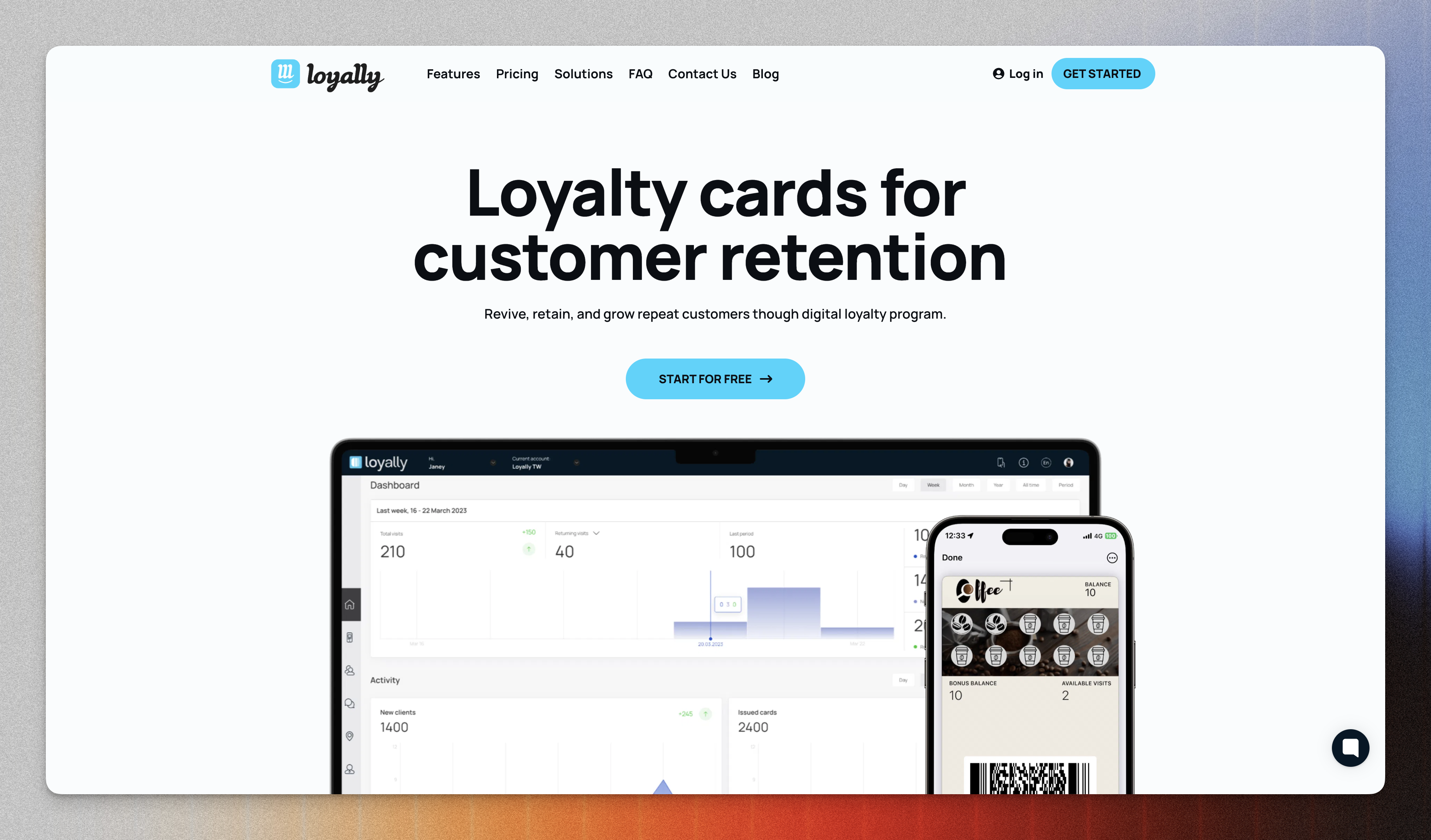
You see many examples of loyalty in business today. Companies use digital loyalty programs to reward customers and keep them interested. For example, TheCHIVE gives rewards for photo uploads and sharing. This builds a strong community and brings in 6% of their yearly money.
Cashback programs like Amazon Prime Rewards Visa Card and PayPal Cashback Mastercard give real benefits. Nike’s Run Club app gives challenges and rewards. Subscription services like Spotify Premium and Disney+ offer special perks to keep you loyal.
Loyally AI helps businesses build customer loyalty. You get digital loyalty cards on your phone. Businesses use tools to manage customer data and send push notifications. Geolocation marketing lets companies send offers when you are nearby. These features help businesses connect with you and keep you coming back.
Feature/Benefit | Loyally.ai Digital Loyalty Cards | Traditional Loyalty Cards |
|---|---|---|
Yes | No | |
Built-in CRM for Customer Management | Yes | Limited |
Yes | No | |
Geolocation Marketing | Yes | No |
Digital loyalty programs are easy and good for the environment. You get rewards and offers on your phone. Businesses get useful information and can send you deals. Loyally AI helps companies grow by making loyalty simple and fun.
When you join a loyalty program with Loyally AI, you feel special and connected. Businesses keep more customers and see more engagement. Everyone benefits.
Now you know how to show loyalty in the relationships that matter most. Whether at home, work, or in your community, loyalty helps you make strong bonds with others. When you show loyalty, people trust you more — and you feel happier and safer too. Loyally AI helps businesses put that same principle to work with digital loyalty cards, CRM, push notifications, and wallet integration.
Feature | Benefit |
|---|---|
Digital Loyalty Cards | Easy rewards and engagement |
CRM System | Personalized connections |
Push Notifications | Timely updates |
Wallet Integration | Simple access |
You can help your community by sharing loyalty. Support others to make your group better. Want to help your business? Try Loyally AI now! (http://loyally.ai/?ref=loyally.ai)
Ejemplos de Lealtad: Loyalty Across Languages
Lealtad is the Spanish word for loyalty. Ejemplos means examples. If you searched for ejemplos de lealtad, every section above has them — because loyalty works the same way whether you call it loyalty or lealtad.
The concept crosses cultures because it describes a human behaviour, not a word. A parent who drops everything to help a child is showing lealtad familiar (family loyalty). A friend who calls to check in during a rough patch is showing lealtad en la amistad (friendship loyalty). An employee who defends a colleague's reputation in a meeting is showing lealtad laboral (workplace loyalty). These behaviours look the same in Mexico City, Madrid, or Melbourne.
In business, lealtad del cliente (customer loyalty) is the same principle applied to a commercial relationship. A customer who returns to the same café every morning, refers friends, and forgives a bad day because the overall experience is good — that is lealtad in action. Loyalty programs exist to recognise and reward this behaviour, because customers who feel genuinely valued keep coming back. If you want to see how businesses in Mexico put ejemplos de lealtad into practice, read our guide on cómo hacer un programa de lealtad.
The quietest ejemplos de lealtad are often the most powerful: keeping a secret when it would be easy to share it, showing up when you have a reason not to, and staying instead of leaving when things get complicated. Those habits build trust over time, and trust is what makes loyalty last.
FAQ
What are acts of loyalty?
Acts of loyalty are specific, observable behaviours that show commitment to a person, group, or cause. Common acts of loyalty include: showing up without being asked, keeping your word on small commitments, defending someone when they're not in the room, staying during a difficult time, and being honest when it would be easier to stay quiet. The word acts matters — loyalty is demonstrated through repeated behaviour, not stated intent. A person who says they are loyal but disappears when things get hard is not being loyal. A person who says nothing about loyalty but keeps showing up is.
What deep commitment or loyalty do you show to someone or something?
Deep commitment and loyalty show up in a few consistent ways: you are present not just during the good times but through difficulty; you honor someone's privacy and trust even when sharing would be easy; you advocate for them in spaces where they cannot speak for themselves; and you choose honesty over approval when both are available. Loyalty to a cause means continuing to act in service of it even when the motivation or public attention fades. The depth of loyalty is usually measured at the moment when leaving would have been the simpler option — and the person stayed anyway.
What are the best examples of loyalty?
The best examples of loyalty are the ones nobody witnesses. A parent who sits up all night with a sick child — not because anyone is watching, but because that's what the relationship demands. A colleague who gives someone else credit in a meeting where it would be easy to take it. A friend who checks in three weeks after the crisis, when everyone else has moved on. A dog who greets you the same way every single day regardless of how your day went. These examples work because they're specific, consistent, and not motivated by reward or recognition.
How do you show loyalty to someone?
You show loyalty by being present, keeping promises, and standing by people during hard times. Small actions like listening without judging, defending someone when they are not around, and celebrating their success all demonstrate loyalty. Consistency matters most — loyalty is not a one-time gesture but a pattern of reliable support.
Tip: Pick one person each week and ask how you can help. Showing loyalty starts with noticing what others need.
How do you show loyalty to a friend?
Showing loyalty to a friend comes down to five things: be there when things are hard (not just when it's fun), keep their secrets, check in after the crisis has passed rather than only during it, avoid talking about them badly when they're not around, and tell them the truth even when it's uncomfortable. The last one is easy to skip — but a friend who only says what you want to hear isn't actually protecting you. Real loyalty includes honest feedback, not just unconditional agreement.
What is the simplest way to show loyalty?
Do what you said you would do. Most people say they'll be there, check in, follow up, or help out — and then don't. The gap between promise and follow-through is where most loyalty breaks down. If you consistently do what you say, the people around you notice it over time. It doesn't require big gestures. It requires small ones, repeated reliably.
What does loyalty look like in daily life?
You see loyalty when someone stands by you, keeps promises, and supports you. Loyalty means you can trust people to be there for you.
Tip: Notice who helps you when you need it most.
How do digital loyalty programs work?
You join a program, get a digital card, and earn rewards for shopping or sharing. Businesses use apps like Loyally AI to make this easy.
Step | What You Do |
|---|---|
Sign Up | Join the program |
Earn Points | Shop or share |
Get Rewards | Redeem offers |
¿Cuáles son ejemplos de lealtad? (What are everyday loyalty examples?)
Lealtad is the Spanish word for loyalty. Common ejemplos de lealtad in everyday life include: a sibling who takes your side without being asked, a friend who keeps showing up during hard times, a pet who greets you the same way every single day, and a colleague who gives you credit for shared work. In business, a customer who keeps returning to the same small shop — and brings others — is showing lealtad del cliente. Each example in this post is an ejemplo de lealtad in a different relationship: family, friendship, romance, the workplace, and the community.
Why should you use Loyally AI for your business?
Loyally AI helps you keep customers coming back. You send offers, track visits, and reward loyalty. You grow your business with simple tools.
You save time and build stronger customer relationships.
Ready to grow your business with loyal customers?
Sign up now and see how easy it is to turn first-time buyers into regulars.