You've probably seen both versions sitting behind the counter. A stack of pre-stamped paper cards someone found in a drawer, and a QR code taped to the register linking to a digital card. Both promise the same thing: get customers to come back. But they don't deliver equally, and the difference matters more than most owners realize.
This post breaks down exactly where each format wins, where it fails, and what the evidence says about which one actually keeps people returning.
The core promise of any punch card system
Punch cards work on a simple psychological principle: progress toward a reward creates commitment. Buy nine coffees, get the tenth free. The customer feels invested. They come back not just for the coffee but because they're close to something.
That principle is sound. The format it runs on is where things diverge.
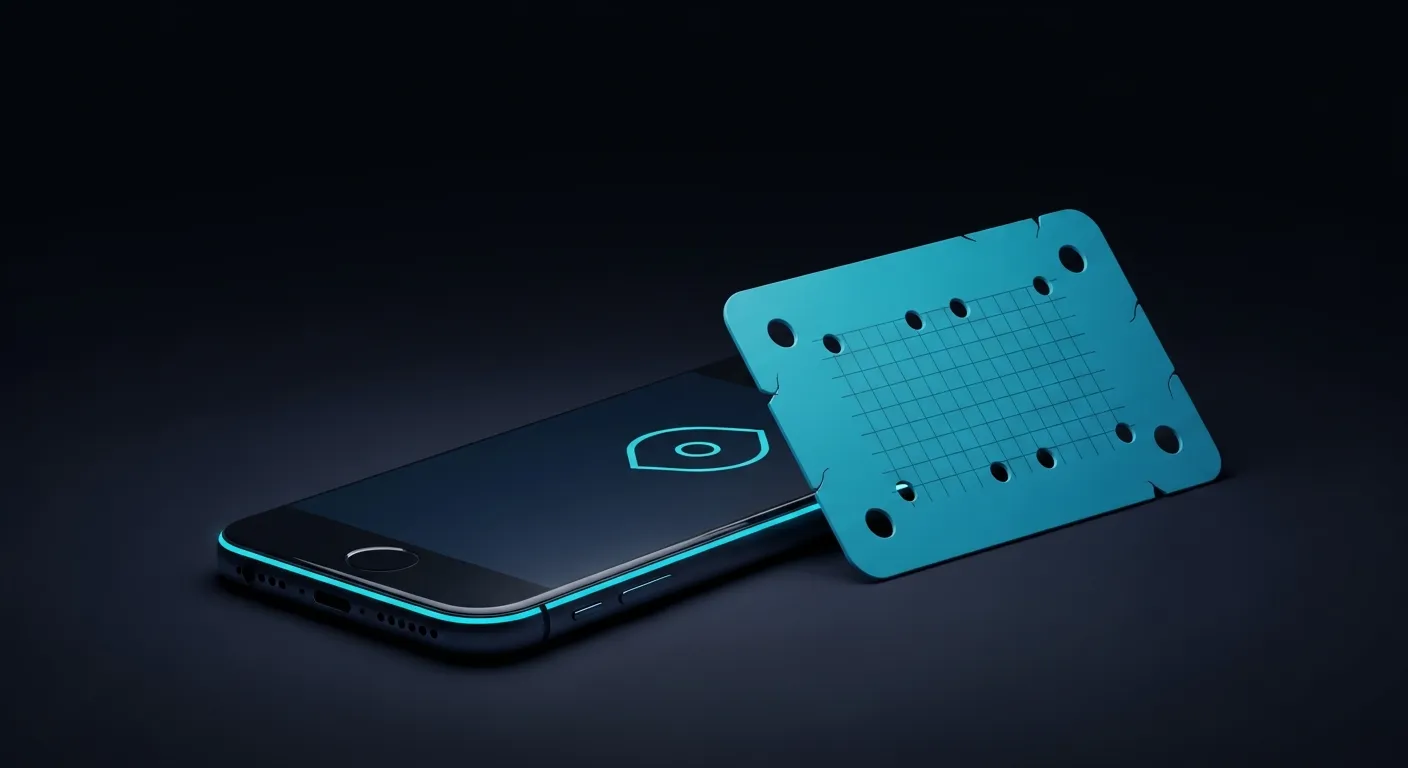
Paper cards have been doing this job for decades. They're cheap to print, easy to hand out, and require zero tech on either side. Digital cards live in Apple Wallet or Google Wallet, get stamped via a tap or QR scan, and send push notifications when a reward is ready.
Both can work. But they work very differently in practice.
Where paper punch cards fall short
Paper cards have a few problems that compound over time.
Loss and forgetting. A customer leaves their card at home, loses it in a bag, or throws it out by accident. That progress disappears. They feel annoyed, not loyal. You've done the work of earning nine visits and lost the payoff.
Fraud. This one's uncomfortable but real. Pre-stamping, using a pen that matches your stamp color, or simply bringing in someone else's card are all easy to do. You can't audit paper.
No data. You hand out a card and you never know who took it. You can't tell how many are in circulation, how many have been redeemed, or which customers are three stamps away from churning. You're flying blind.
Operational friction. Someone has to find the stamp, press it cleanly, and hand the card back. During a rush, this slows things down. Ink runs out. Stamps get lost. These are small problems individually, but they add up.
No communication channel. Once a customer walks out with a paper card, you have no way to reach them. If they haven't been in for three weeks and are sitting on eight stamps, you can't nudge them.
Where digital loyalty cards pull ahead
A digital card solves most of those problems structurally, not through effort but through how the system is built.
No app required for customers
The most common objection to digital loyalty is: "My customers won't download another app." With wallet-based cards (Apple Wallet and Google Wallet), they don't have to. The card lives alongside their credit cards and boarding passes. They already know how to use it.
Cards don't get lost
A digital card is tied to a device. If a customer gets a new phone, they can restore their wallet. The stamps don't disappear into a coat pocket.
Push notifications close the loop
When a customer earns a reward, their phone notifies them. When they haven't visited in a while, you can send a reminder. A paper card sitting in a drawer simply cannot do that. According to Accenture, members of loyalty programs generate 12-18% more incremental revenue growth per year than non-members, and a big part of that comes from staying top of mind.
You get real data
With a digital system, you can see how many active cards are out there, which customers are close to a reward, and when redemption rates drop. That visibility changes how you run the program. You can respond to what's actually happening instead of guessing.
Fraud becomes much harder
Each stamp is tied to a specific transaction, often with a timestamp and a staff login. You can set rules: one stamp per day, one redemption per customer. The audit trail is automatic.
Head-to-head comparison
| Factor | Paper punch card | Digital loyalty card |
|---|---|---|
| Setup cost | Low (printing only) | Low monthly fee, no hardware needed |
| Customer effort | Carry a physical card | Add to Apple/Google Wallet once |
| Lost progress | Common, no recovery | Rare, tied to device |
| Fraud risk | High (easy to fake) | Low (timestamped, auditable) |
| Push notifications | None | Yes, automated |
| Customer data | None | Visit frequency, redemption rate |
| Staff time per transaction | Slower (find the card, stamp, hand back) | Faster (one tap or scan) |
| Works during a rush | Friction increases | Consistent |
| Reward customization | Fixed at print time | Editable anytime |
| Environmental cost | Paper waste ongoing | One-time digital setup |
The paper card wins on one thing: zero monthly cost if you already have a stamp. But that saving comes at the price of every other column in that table.
What actually keeps customers coming back
The punch card mechanic, paper or digital, is a retention tool, not a magic trick. Harvard Business Review puts it plainly: acquiring a new customer can cost five times more than retaining an existing one. The loyalty program protects the customers you already have.
But the format matters because it determines how consistently the program actually runs.
A paper card program works great for the first month. Then the stamp goes missing for a week. Then a customer complains their card got wet. Then you run out of cards and order more but they arrive with slightly different branding. These aren't catastrophic failures, but they erode the experience. A program that feels inconsistent feels untrustworthy.
A digital card runs the same way on day one and day three hundred. The stamp process is identical. The reward notification goes out automatically. The customer experience doesn't degrade over time.
That consistency builds the habit. And habit is what retention actually is.
The real cost of "free"
Paper cards feel free because there's no monthly invoice. But consider what you're actually spending.
Design and printing cost money, even if it's small. Replacing lost or damaged cards costs money. The time your staff spends stamping, explaining the program, and handling disputes costs money. And the customers who churned because they lost their card, or because they never got a reminder that their reward was waiting, cost you the most.
Bain & Company, via HBR, found that increasing customer retention by just 5% can increase profits by 25% to 95%. If a digital card recovers even a handful of customers who would have drifted away, it pays for itself quickly. You can estimate your own numbers using a loyalty calculator before committing to anything.
When paper cards still make sense
There are situations where paper is genuinely fine.
If your business is seasonal, pop-up, or very low volume, the overhead of setting up a digital system may not be worth it. If your customer base skews older and is resistant to any phone-based interaction, a physical card might get more adoption. If you're running a short-term promotion, a summer stamp card or a one-month trial, paper is faster to deploy.
But for any business that sees the same customers regularly and wants to build a real retention system, paper is a workaround, not a solution.
How to make the switch without losing anyone
The most common worry about moving from paper to digital is losing existing customers who have stamps in progress.
The fix is straightforward: honor existing cards for 60 to 90 days while you roll out the digital version. Tell customers at the counter, put a small sign near the register, and if you have an email list, send one note explaining the change and what's in it for them (usually: their progress is now safe and they'll get notifications when rewards are ready).
Most customers who are already engaged with your program will make the switch without friction. The ones who were barely using the paper card probably won't bother either way.
For a practical walkthrough of setting up a digital card from scratch, this step-by-step guide covers the process in detail.
What to look for in a digital loyalty platform
Not all digital loyalty tools are built the same. A few things worth checking before you commit.
Wallet integration. The card should live in Apple Wallet and Google Wallet natively. If customers need to open a separate app to show their card, adoption drops.
No app required for customers. This is non-negotiable for most local businesses. The friction of asking someone to download something kills signups at the door.
Push notification control. You should be able to send a message when a reward is earned and when a customer goes quiet. Automated triggers beat manual sends every time.
Multiple card types. Your needs might change. A stamp card works for a coffee shop, but a membership card or cashback card might fit a gym or salon better. Make sure the platform supports different card formats so you're not locked into one structure.
Simple staff experience. If stamping a card takes more than a few seconds or requires staff to navigate a complicated interface, it won't get used consistently.
Loyally.ai offers stamp, reward, membership, cashback, multipass, discount, coupon, and gift cards that live in Apple Wallet and Google Wallet with no app for customers to install. Plans start at $17/month (or $12/month billed annually) for the Starter tier, with Growth at $30/month ($24 annually) and Premium at $98/month ($78 annually). If you're running a coffee shop, salon, or similar business and want to see what the setup looks like, the how it works page is a good starting point.
For businesses that want to go deeper on the customer-side benefits before deciding, this breakdown of loyalty card benefits for customers is worth reading alongside this one.
Frequently asked questions
Can I run both a paper card and a digital card at the same time?
You can, but it creates confusion for staff and customers. If someone has both, they'll use whichever is more convenient in the moment, which splits your data and makes the program harder to manage. A cleaner approach is to run paper for a short transition window while you migrate customers to digital.
What if my customers are reluctant to use their phones at the counter?
Most of the resistance comes from people expecting to download an app. When you explain that the card just goes into their existing Apple Wallet or Google Wallet, the same place their credit cards live, the objection usually disappears. A short demo at the counter helps more than any explanation.
How do I handle customers who lose their paper cards mid-program?
With paper, you're stuck making a judgment call: honor the stamps you remember giving them, or start fresh. Either option creates friction. With a digital card, this problem doesn't exist because the card is tied to the customer's device and backed up in their wallet account.
Is there a meaningful difference in redemption rates between paper and digital?
Usually yes, for two mechanical reasons: a digital card can't be lost mid-progress, and a push notification tells the customer the moment a reward is waiting. A paper card in a drawer does neither. The size of the gap depends on your visit frequency and reward structure, so instead of trusting a blanket average, model your own numbers with the loyalty calculator before and after switching.
What card type should I start with if I'm new to digital loyalty?
A stamp card is the easiest entry point for most local businesses. The mechanic is familiar (customers already understand "buy X, get one free"), setup is fast, and it maps directly onto what a paper punch card was doing. Once you see how your customers engage with it, you can layer in other card types or adjust the reward structure.